Lazy Bear Week: Thirty Years of Community on the Russian River
How a grassroots gathering became one of Guerneville's most beloved traditions—and a celebration with a purpose.
How a grassroots gathering became one of Guerneville's most beloved traditions—and a celebration with a purpose.
✦ Local History · Guerneville
Each summer, for one week, something shifts in Guerneville.
The sidewalks fill, pool gates open, music drifts through the redwoods, and thousands of visitors arrive for one of the Russian River's most beloved traditions: Lazy Bear Week.
To someone passing through, it might look like one very big party. And there is certainly plenty of that—poolside afternoons, dancing, campfires, river days and joyful reunions. But Lazy Bear has always been about something deeper: creating a place where people can relax into themselves, find community and turn a good time into meaningful support for others.
"Lazy Bear has never felt like an event dropped into town from somewhere else. It belongs to the river."
Lazy Bear's story makes more sense when you understand the place where it began.
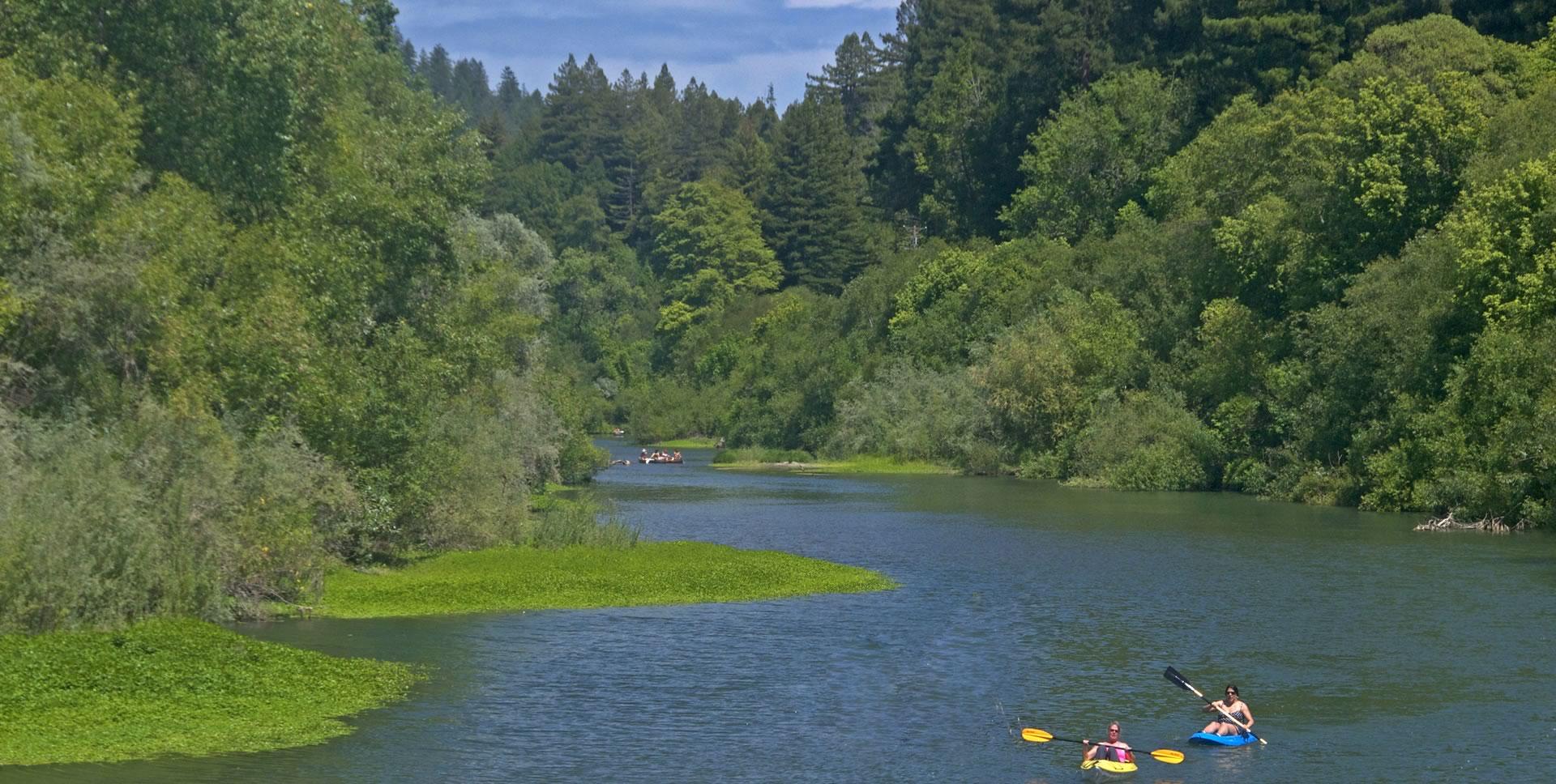
Guerneville has been a getaway town for generations. Visitors once arrived by train to spend their summers swimming beneath the redwoods along the Russian River. As traditional tourism declined and repeated floods took their toll, the town began evolving into something new.
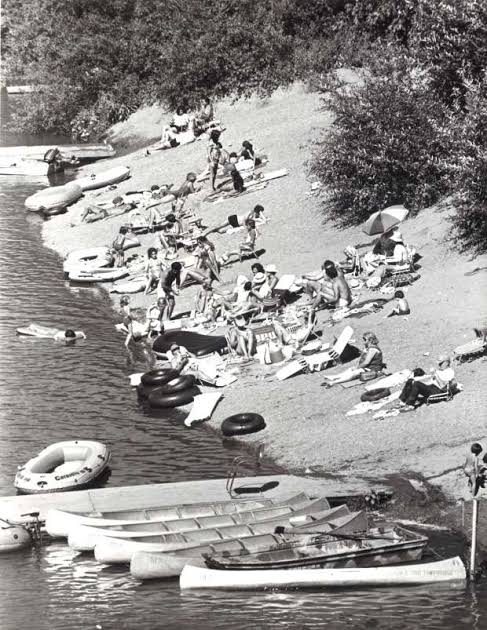
Photo courtesy of the Russian River Historical Society
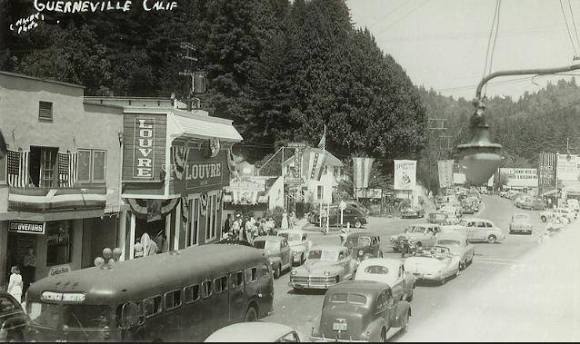
Photo courtesy of the Russian River Historical Society
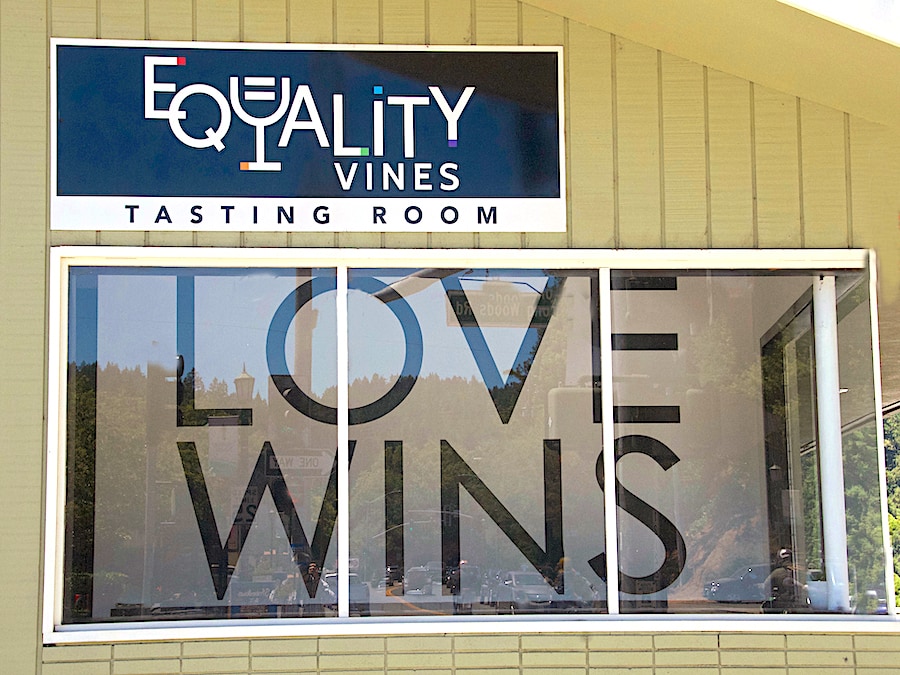
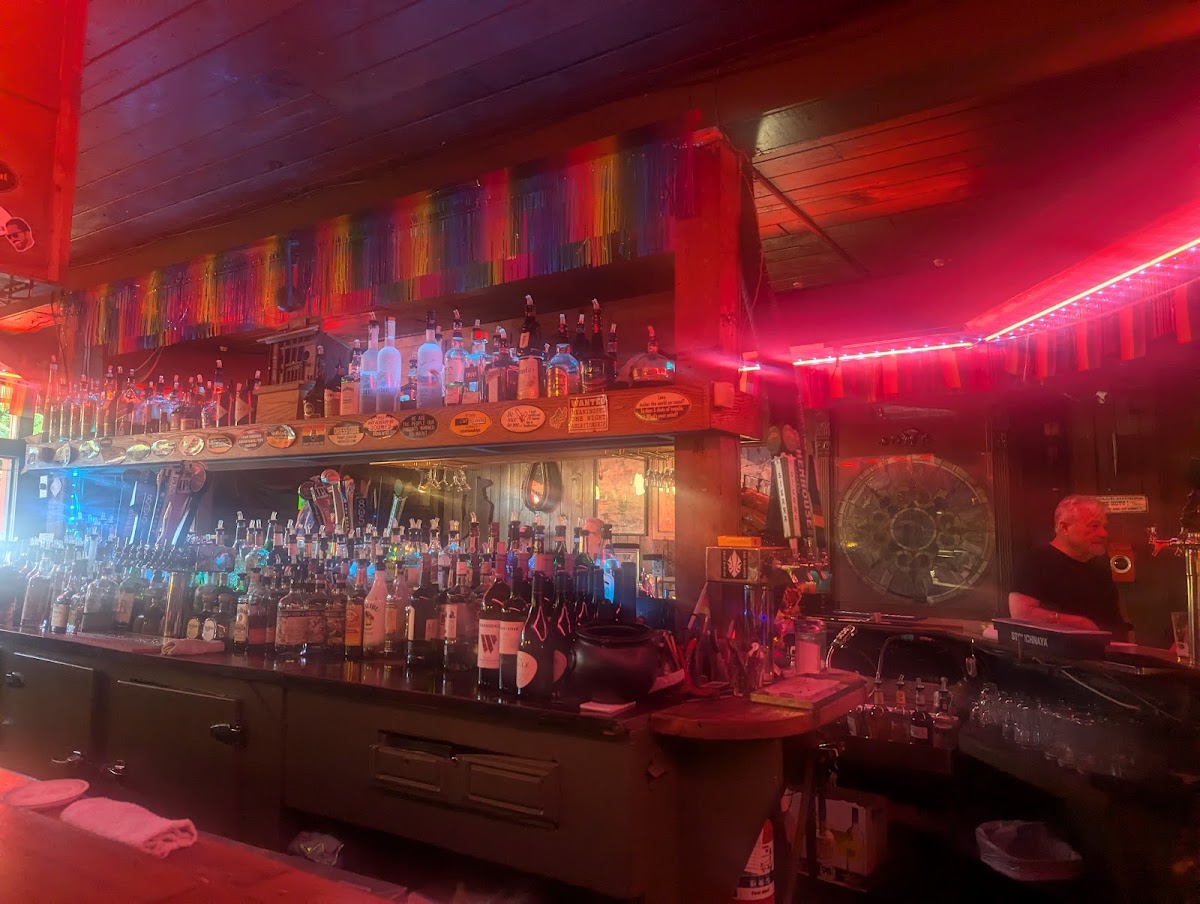
By the 1970s, gay and lesbian visitors from San Francisco were increasingly coming to the Russian River in search of freedom, nature and community. In 1978, Peter Pender purchased a riverside property and opened Fife's, widely credited as Guerneville's first openly gay resort. The Woods, Highlands Resort, the Russian River Resort—often called the Triple R—and the Rainbow Cattle Company soon became part of a growing collection of LGBTQ+-centered businesses.
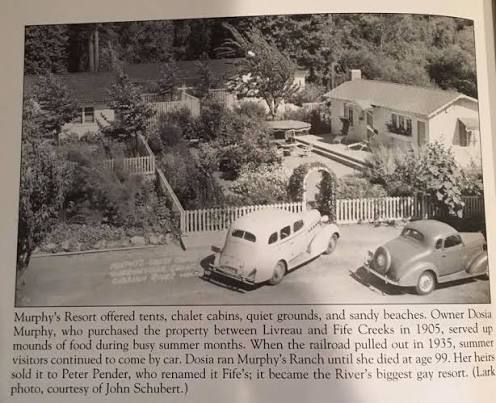
For many visitors, Guerneville became the place where they could leave the expectations of the city behind. Here, among the trees, people could swim, dance, flirt, gather and simply exist more openly. The Russian River was sometimes described as the West Coast's answer to Fire Island—a small vacation community with an outsized place in queer culture.
That history was not without hardship. Guerneville's LGBTQ+ community endured the devastating losses of the AIDS epidemic, along with destructive floods and the closure of several landmark gathering places. But the community continued to return, rebuild and care for one another.
It was from that spirit that Lazy Bear grew.
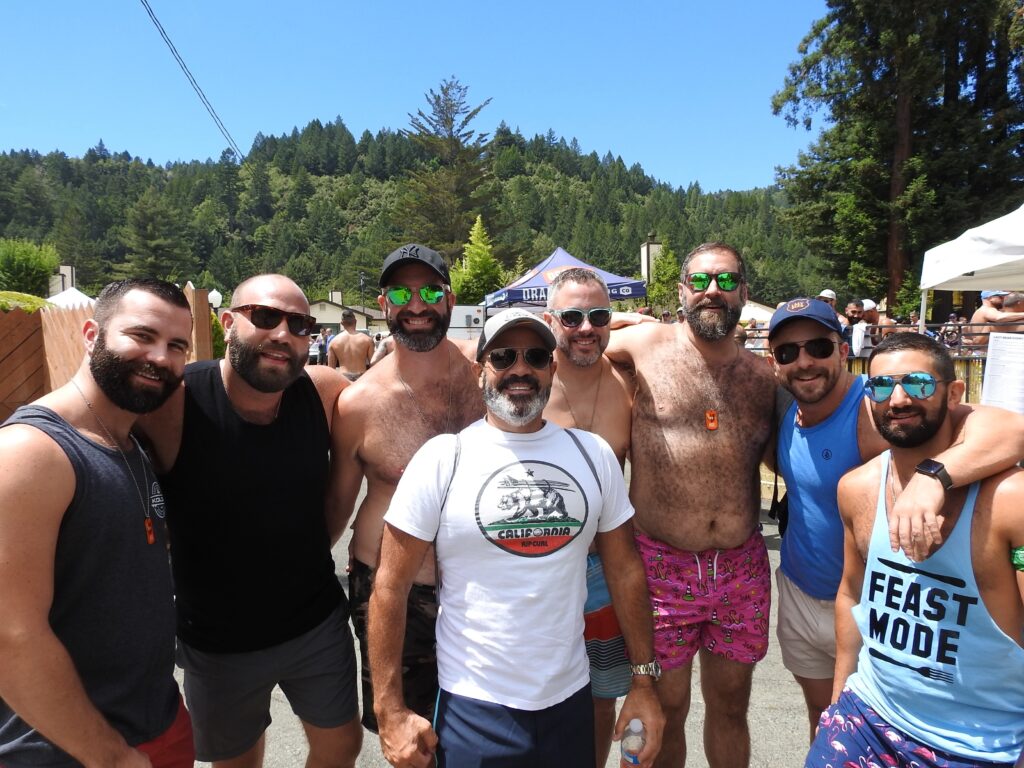
Lazy Bear began in 1996 as a grassroots gathering of members of the bear community on the Russian River.
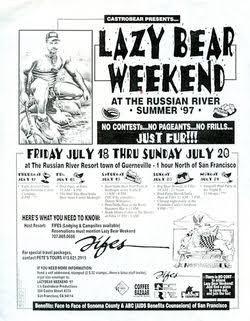
Traditionally, "bear" referred to larger, hairier gay men who embraced a rugged image that did not always fit the narrow body standards represented in mainstream gay culture. Over time, the bear community has grown broader and more diverse, with an emphasis on body positivity, warmth, inclusion and the freedom to show up as yourself.
That makes Guerneville a natural home for the celebration. Lazy Bear has never felt like an event dropped into town from somewhere else. It belongs to the river: unpolished, playful, welcoming and just a little wild around the edges.
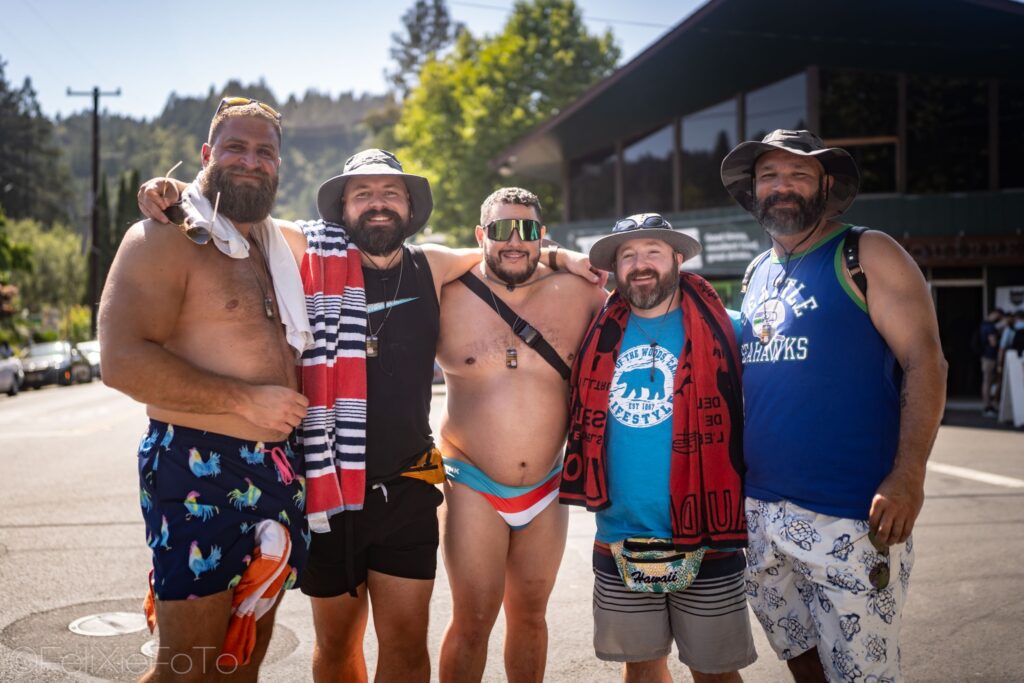
What began as a gathering among friends gradually became one of the largest and best-known bear events in the world. Today, more than 2,500 people may call Guerneville home during the week, filling local lodges, cabins, campgrounds and vacation rentals.
The parties are part of the story—but they are not the whole story.
Lazy Bear Week is produced by the Lazy Bear Fund, a grassroots nonprofit supported by volunteers. Money raised through the event is distributed to charitable organizations, including health clinics, food banks, LGBTQ+ youth programs, HIV services and other community-based causes.
Over the years, the organization has raised nearly $2 million. Grant recipients have included local organizations such as Food For Thought and West County Health Centers, as well as groups serving LGBTQ+ people, youth, seniors and people living with HIV throughout Northern California and beyond.
That spirit of giving is woven into the event itself. Many of the people working behind the scenes—checking guests in, serving drinks, cleaning up and keeping events moving—are volunteers or are connected to organizations that benefit from the fund.
Lazy Bear is fun with a purpose. The week creates joy, but it also sends some of that joy back out into the community.
For local businesses, Lazy Bear Week is one of the most important stretches of the summer. Restaurants fill, shop doors stay open, lodging is reserved far in advance and familiar faces return year after year.
But the relationship between Lazy Bear and Guerneville goes beyond economics.
This town has long been shaped by people who came here looking for somewhere they could breathe a little more freely. Lazy Bear carries that tradition forward. It gives longtime friends a yearly reunion and first-time visitors the experience of arriving somewhere they do not have to explain themselves.
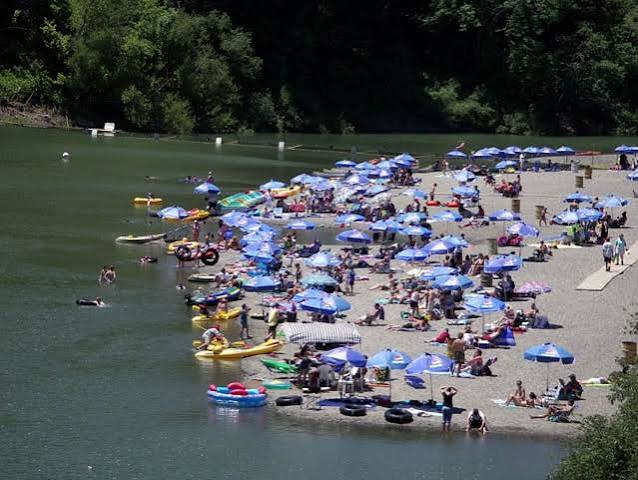
There is something distinctly Guerneville about seeing a quiet redwood town become so full of life—bearded men floating down the river, music spilling from the resorts, old friends embracing on Main Street and newcomers quickly becoming part of the scene.
It is festive, affectionate, occasionally outrageous and almost impossible to experience from the sidelines.
In 2026, Lazy Bear celebrates its 30th anniversary.
The event has grown enormously since 1996, but its heart remains recognizable: connection, acceptance and giving back.
Lazy Bear Week is part celebration, part reunion and part fundraiser. It is also part of the living history of Guerneville—a town that has repeatedly offered people refuge, freedom and room to become more fully themselves.
Come for the river, the parties and the sunshine. Stay long enough, and you begin to understand why so many people return.
Lazy Bear is not simply something that happens in Guerneville.
After thirty years, it is part of who Guerneville is.